
How to Choose a Concrete Contractor in Central Texas
A concrete contractor's reputation, base prep standards, and willingness to put scope in writing matter more than the bottom-line number on the proposal.
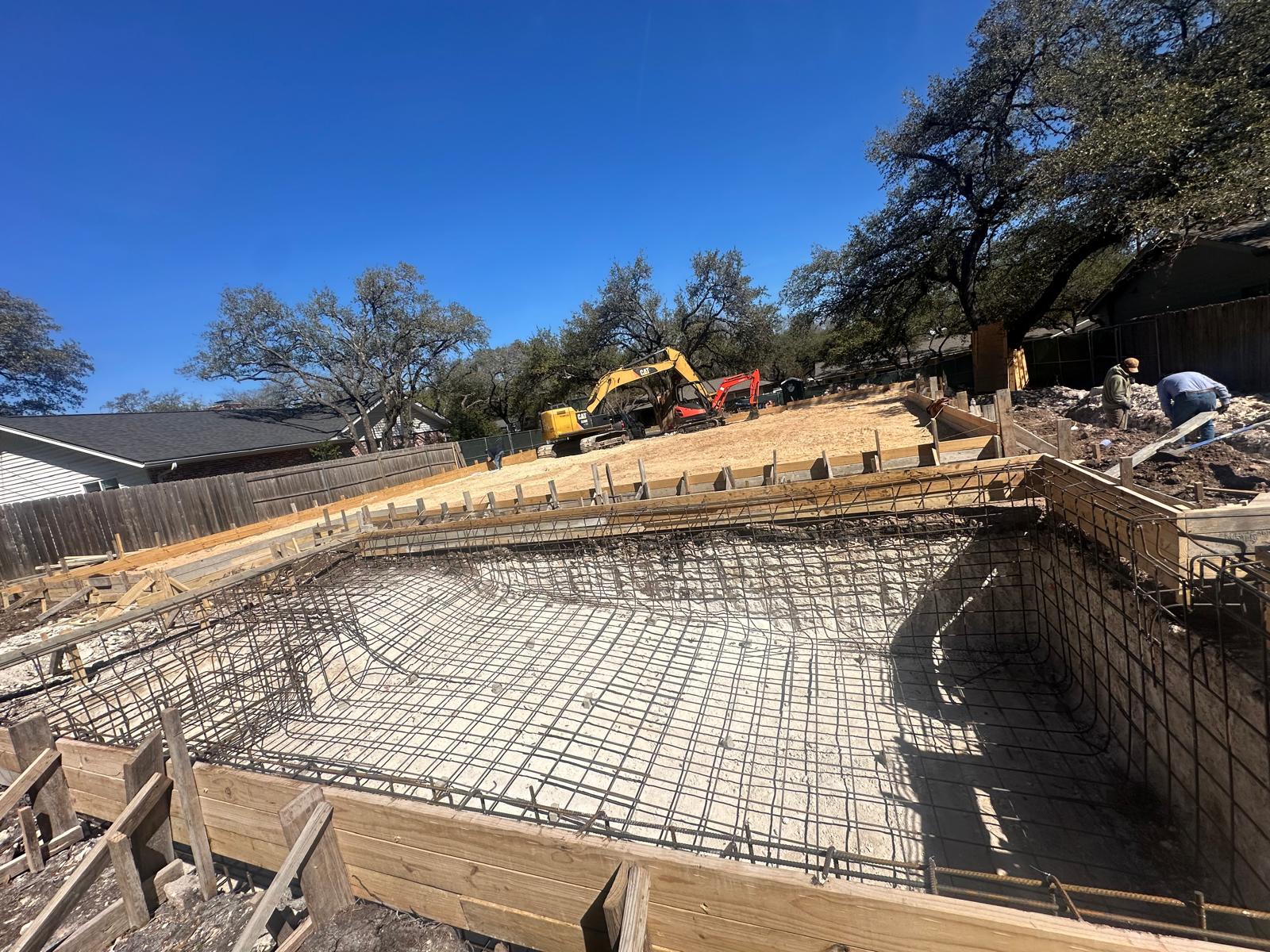
Choosing the right concrete contractor matters more than choosing the right finish or the cheapest price. A concrete project is hard to undo. A driveway, patio, or structural slab that fails because of bad workmanship is not a small repair — it usually has to be cut out and replaced. That makes the contractor decision the most important part of any concrete project, and one that property owners often spend the least time on.
Start with the basics. A reputable contractor working in Central Texas should be properly insured, willing to provide references from past jobs, and able to show photos of work they have done on similar projects. A quote from someone who cannot or will not document those things is a risk regardless of the price. General liability and workers compensation coverage protect the property owner if anything goes wrong on the job.
The proposal itself tells you a lot about how the contractor works. A good proposal lists the scope of work in detail — slab thickness, base depth and material, reinforcement type and spacing, joint pattern, finish, drainage plan, and cleanup. It includes the schedule, the payment terms, and the warranty. A vague proposal with one line of description and a single number is a contractor who is leaving themselves room to cut corners later or to argue about what was included when the job is half done.
Base preparation is where the difference between contractors shows up most clearly. Ask any prospective contractor how they will prep the base, what material they will use, and how they verify compaction. A real answer involves crushed stone or road base, specific thickness ranging from four to eight inches depending on the project, and the use of a plate compactor or roller. A contractor who treats base prep as an afterthought — or who suggests pouring directly on native soil — is the contractor whose driveways crack in three years.
Reinforcement standards matter for the same reason. Ask about steel rebar size and spacing, or about fiber-reinforced mixes, and listen for whether the contractor is matching the reinforcement to the project rather than using the same approach on every job. A contractor who specs rebar on a driveway and fiber mesh on an interior slab understands the difference. A contractor who skips reinforcement to save cost is gambling with the lifespan of the slab.
References are worth checking even on small jobs. A two-minute conversation with a past customer tells you more than ten pages of marketing material. Ask specifically about how the contractor handled changes, weather delays, and any issues during or after the work. Past customers willing to vouch for the contractor's responsiveness and follow-through are the best indicator of how a new project will go.
Price comes last, not first. A bid that is dramatically lower than the others is almost always cheaper because it is leaving something out — thinner slab, less base, no reinforcement, no warranty. CIMA Concrete writes clear proposals, prep bases properly, and honors warranties because that is what keeps customers calling us for the next project. A short conversation about scope before signing anything is the cheapest insurance a property owner can buy.
Ready to get a real estimate?
CIMA Concrete handles driveway installation, concrete repair, sidewalks, structural concrete, and exterior flatwork with a focus on durability and clean finish work.