Concrete Flatwork for Outdoor Living Spaces
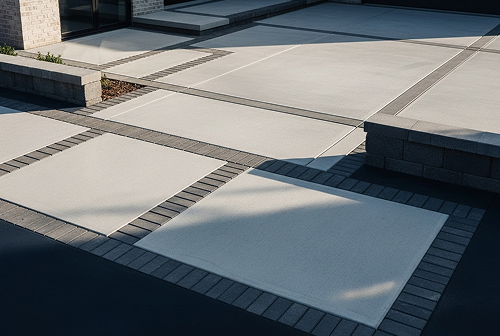
A well-planned flatwork system ties a patio, outdoor kitchen, and fire pit pad into a backyard that functions as a true extension of the home — and holds up under Central Texas conditions for decades.
Planning guides, repair insights, and concrete project articles focused on structural work, flatwork, exterior areas, site preparation, and long-term durability for Texas properties.
A well-planned flatwork system ties a patio, outdoor kitchen, and fire pit pad into a backyard that functions as a true extension of the home — and holds up under Central Texas conditions for decades.
Not every sidewalk problem needs full replacement, but some repairs are a waste of money on slabs that have already failed structurally. Knowing the difference saves both cost and frustration.
A patio that pools water is more than a comfort problem. In Central Texas, poor drainage is what turns a beautiful slab into a cracked, lifted mess within a few seasons.
Cracks always look smaller in spring than they will in August. Here is why Central Texas driveways are better repaired before the heat, and how to tell which cracks matter.
A retaining wall is part landscape feature and part engineering. Here is how a concrete wall handles slope, drainage, and erosion on Central Texas properties.
UV, heat, and sudden Texas storms wear concrete faster than most homeowners expect. A solid sealing plan protects driveways, patios, and flatwork year-round.
Stamped concrete brings the look of stone, brick, or wood plank to a patio at a lower cost than pavers. Here is what to plan before the pour.
Winter freeze, runoff, and tire wear can leave driveways in rougher shape than they look. Here is how to inspect, repair, and protect concrete before summer heat sets in.
A concrete contractor's reputation, base prep standards, and willingness to put scope in writing matter more than the bottom-line number on the proposal.
Resurfacing is a real option when the underlying slab is sound. When it is not, resurfacing wastes money on a problem that will return.
Color is half the design on a stamped concrete project. Texas sun, surroundings, and surface temperature all push that decision in specific directions.
Both options can build a beautiful patio. The difference is in upfront cost, long-term maintenance, and how each material handles Central Texas conditions.
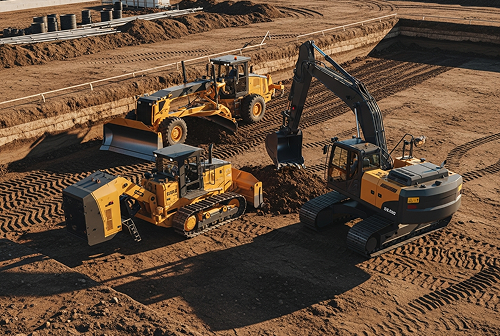
A successful structural concrete job starts long before the pour. Here is what property owners should understand about planning, site readiness, and scope.
Cracks, drainage issues, and uneven concrete often start small. Here is how to tell when flatwork should be repaired versus replaced.
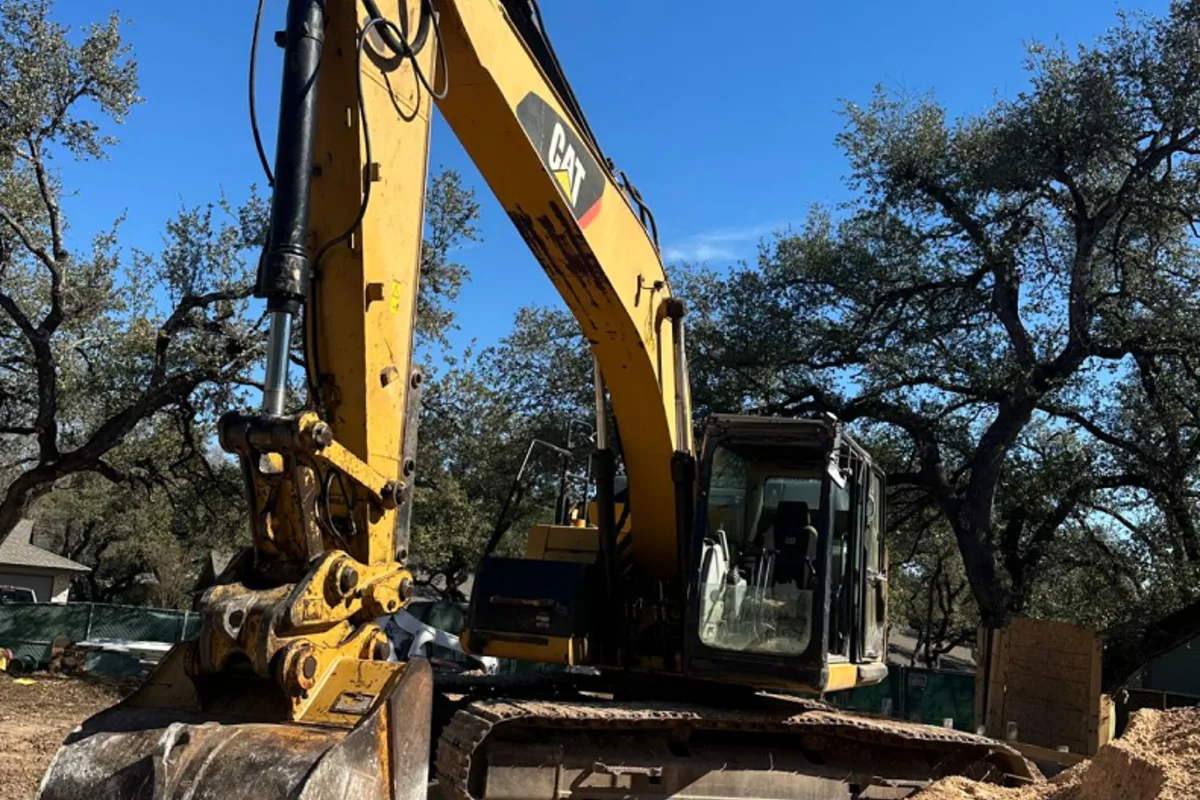
Concrete only performs as well as the base underneath it. Good site prep is one of the biggest factors in long-term durability.
Timely repairs protect both appearance and performance. Here is why small concrete failures should not be ignored too long.
Before hiring a contractor, make sure the scope, preparation, timeline, and finish expectations are all clearly defined.
Proper curing, traffic control, and maintenance decisions after installation make a big difference in long-term concrete performance.
Curing is not the same as drying. Concrete gains strength through a chemical reaction that depends on moisture, time, and temperature.
Different reinforcement methods solve different problems. Choosing between rebar, fiber mesh, or both depends on what the slab will carry.
A concrete pour is more than mixing and placing. Weather affects curing, strength, and final finish, and a good crew watches the forecast closely.
A well-built sidewalk is one of the highest-value concrete projects on a residential property. Here is what goes into one that lasts.
Concrete cracks. That is a fact of the material. The job of a contractor is to decide where the cracks go before they happen.
Thickness, base prep, and reinforcement all decide how a driveway holds up to Texas heat, occasional storms, and years of vehicle weight.