
Repairing Cracked Driveways Before Summer Heat
Cracks always look smaller in spring than they will in August. Here is why Central Texas driveways are better repaired before the heat arrives, and how to tell which cracks are cosmetic and which are not.
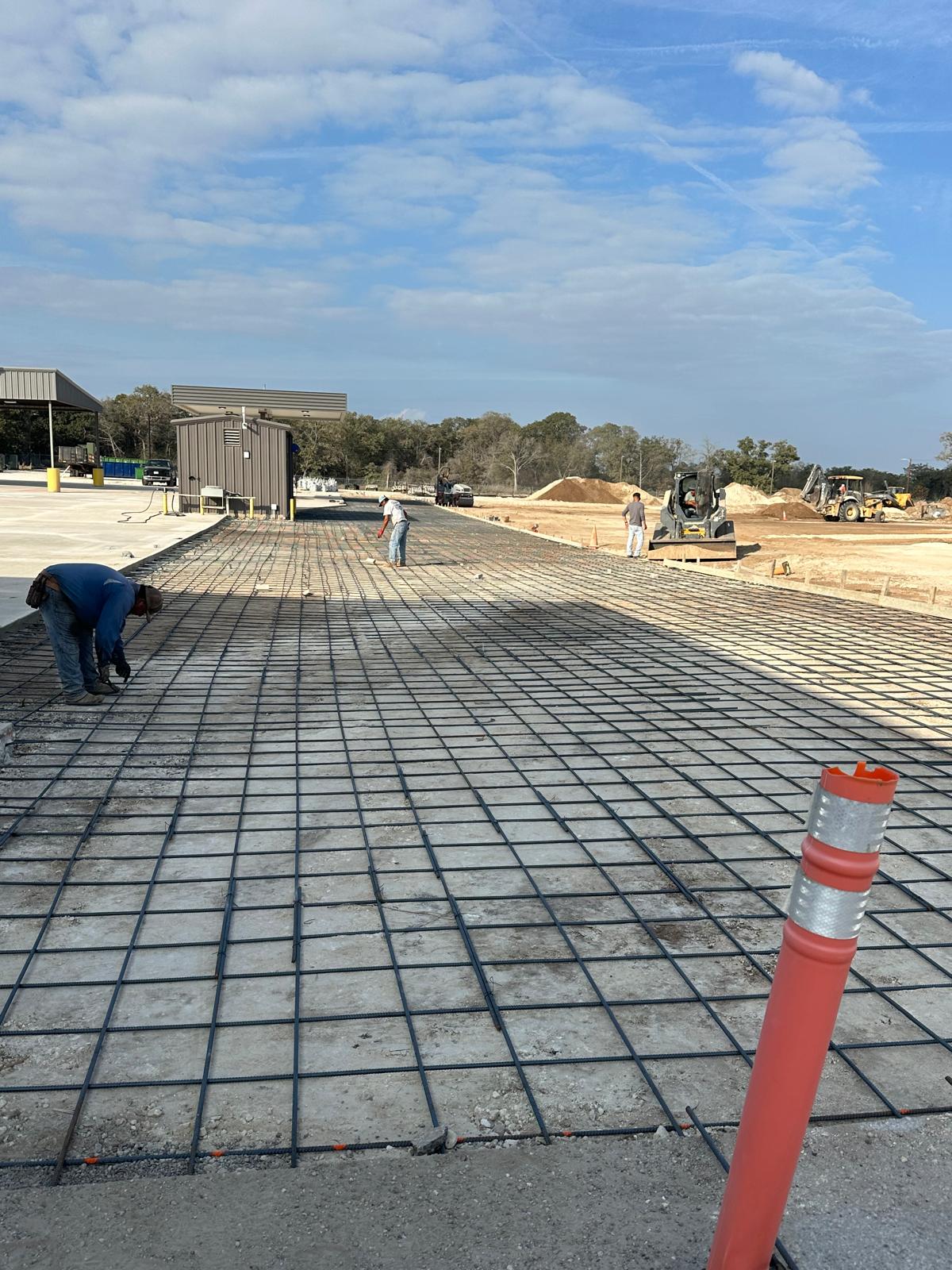
Most homeowners notice driveway cracks in the spring, when the light is low and shadows make every flaw look sharper, then put off doing anything about them until later in the year. By the time later in the year arrives, it is August in Central Texas, the slab is hot enough to fry an egg, and the same cracks have widened, lengthened, and started to multiply. Repairing a driveway in May or early June is consistently cheaper, cleaner, and less disruptive than repairing the same driveway in late summer. The difference is not just convenience — it is what the slab is doing thermally and structurally during each window.
Concrete expands as it heats and contracts as it cools. In Central Texas, where a driveway can go from a 55 degree morning to a 110 degree afternoon surface temperature, that movement is constant from late spring through early fall. Cracks that exist before the heat arrives become highways for thermal stress. They lengthen at the tip, widen across the middle, and turn into entry points for water during the next storm. Sealing or repairing them before that cycle starts is what stops the crack from growing.
Not every crack needs the same treatment. Hairline cracks under about an eighth of an inch, with no vertical displacement on either side, are usually cosmetic and can be cleaned out and filled with a flexible concrete crack sealer. The slab is still doing its structural job; the surface just needs to be closed up so water and grit cannot work their way in. Cracks wider than a quarter inch, or any crack where one side has risen or dropped relative to the other, are a different story. Those indicate movement in the slab or the base underneath, and a simple fill will not hold. The repair needs to address why the slab moved before sealing what cracked.
Tree-root cracks, settlement cracks at one corner of the driveway, and cracks that line up with a downspout or low spot in the yard are almost always telling a drainage or base story. Repairing the visible damage without addressing the cause buys a season, maybe two, before the same crack returns. A proper repair in those cases includes evaluating drainage, sometimes adjusting the grade or adding a French drain, and in the worst cases removing and re-pouring the affected section on a properly prepared base.
The repair-versus-replace decision usually comes down to a few honest questions. How much of the driveway is affected? Is the base under the slab still intact, or has it eroded? Are the cracks structural or surface-level? And how old is the driveway overall? A ten year old driveway with two manageable cracks is a clear repair. A thirty year old driveway with cracks across a third of the surface, settling at the apron, and chunks missing along the edges is usually better off replaced than patched again. CIMA Concrete walks driveways across Lockhart and Central Texas and gives a straight answer either way, with the goal of the homeowner getting the longest useful life out of the slab.
Driveway cracks getting worse?
We inspect, repair, and replace concrete driveways across Central Texas. Quick on-site visits help homeowners decide between sealing, partial repair, or full replacement.