
Commercial Concrete Flatwork for Central Texas Businesses
Commercial flatwork carries more weight, more traffic, and more rules than residential work. Sidewalks, loading areas, and parking slabs have to meet code, handle daily use, and stay safe — for years, not seasons.
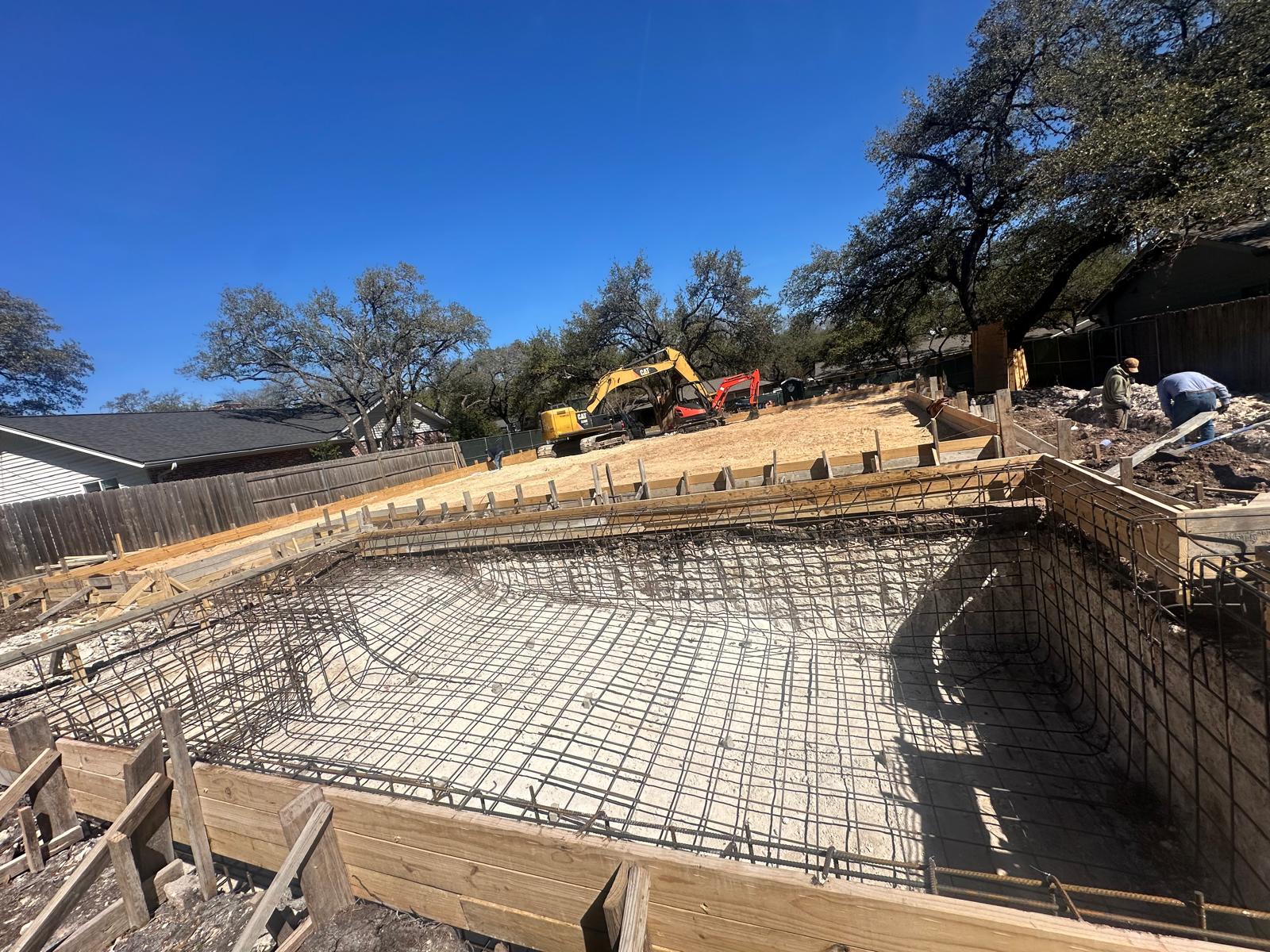
Commercial concrete flatwork is a different category of work than a residential patio or driveway. The slabs are bigger, they carry heavier and more frequent loads, and they answer to building codes, accessibility requirements, and the expectations of customers and employees who use them every day. For a business around Lockhart and Central Texas, the flatwork out front and out back is part of the first impression and part of how safely the property operates.
Sidewalks and Walkways
Commercial sidewalks see constant foot traffic and have to stay level, safe, and accessible. That means correct width, consistent slope for drainage, and surface joints placed so the concrete cracks along controlled lines rather than randomly across a walking path. Trip hazards from heaved or settled panels are both a safety problem and a liability concern, so the subgrade preparation under a commercial walk matters as much as the finish on top.
Loading and Heavy-Traffic Areas
Loading docks, service drives, and areas that see delivery trucks or equipment need a slab engineered for those loads. A driveway pour built for passenger cars will not hold up under repeated heavy axle weight. Thicker slabs, proper reinforcement, and the right concrete mix are what keep these areas from cracking, rutting, and breaking down under the demands of a working business. Joint placement and load transfer between slabs are planned around how the traffic actually moves across the surface.
Durability in the Central Texas Climate
Commercial slabs face the same expansive soils, heat, and seasonal moisture swings as everything else in the region, but with far more on the line if they fail. Proper site preparation, compaction, and control joints help the concrete move with the soil instead of fighting it. Sealing and a thought-out maintenance plan extend the life of the surface and keep small issues from turning into full replacements that interrupt the business.
Meeting Code and Accessibility
Commercial flatwork has to comply with local building codes and accessibility standards, including the slope and layout requirements for accessible routes, ramps, and parking. Getting those details right from the design stage avoids failed inspections, rework, and the cost of tearing out concrete that does not meet the requirements. Planning code compliance into the pour is far cheaper than correcting it afterward.
For business owners, durable flatwork is an investment that protects customers, employees, and the property itself. CIMA Concrete handles commercial sidewalks, loading areas, and flatwork built to meet the demands and the codes of Central Texas.
Need commercial flatwork done right?
CIMA Concrete installs commercial sidewalks, loading areas, and durable flatwork built to code and engineered for heavy, daily use across Central Texas.