
Concrete Patio vs Paver Patio: A Real Comparison
Both options can build a beautiful patio. The difference is in upfront cost, long-term maintenance, and how each material handles Central Texas conditions over the years.
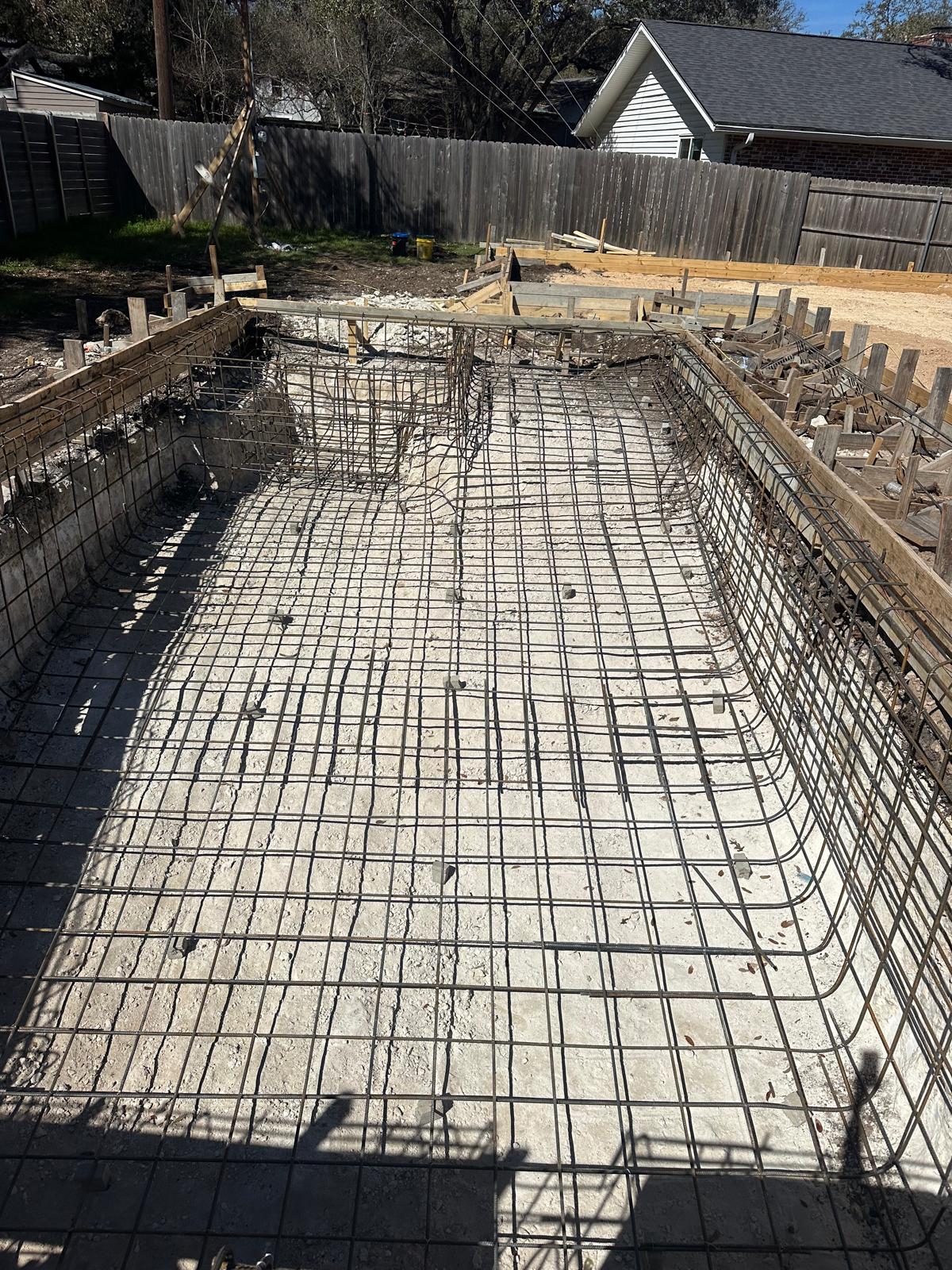
One of the most common questions in residential outdoor projects is whether to build a patio with poured concrete or with pavers. Both are valid options, and contractors who only offer one of them tend to oversell whichever they install. The honest comparison comes down to cost, maintenance, durability under local conditions, and the look the property owner wants in the final space.
On upfront cost, poured concrete is almost always less expensive per square foot. A standard four-inch slab with a broom or float finish covers a patio area quickly and with fewer labor hours than setting individual pavers. Stamped or decorative concrete brings the cost closer to pavers but typically still comes in slightly under for equivalent square footage. Pavers cost more on day one because the material itself is more expensive and the installation is more labor-intensive.
Maintenance tells a different story. A concrete patio needs sealing every few years and may need crack repair if the slab develops issues, but for the most part it sits quietly on the property. Pavers do not crack as a single unit because they are individual pieces — when one shifts or settles, it gets re-leveled rather than replaced. But the joints between pavers need polymeric sand maintenance, and weeds find their way through over time without consistent upkeep. Neither option is maintenance-free; they just need different kinds of attention.
Durability depends on the base. A poured slab is one continuous piece, which means it cannot shift independently the way pavers can, but it also has nowhere for stress to go when the soil underneath moves. In Central Texas clay soils, an unreinforced concrete patio can crack across multiple sections during a particularly dry summer. A pavers system absorbs ground movement at the joints, which is actually an advantage for unstable soils. Properly reinforced concrete with a solid compacted base usually outperforms both options, but the soil and reinforcement decision matters more than the material choice itself.
For appearance, modern concrete offers more design flexibility than most homeowners realize. Stamped patterns can mimic stone, brick, slate, or wood plank. Integral color, acid staining, and surface staining bring color depth that holds up well in Texas sun. Decorative scoring and saw-cut patterns create visual interest without the joint lines of pavers. Pavers still win for traditional Old World looks and for jobs where the design needs intricate borders or shapes that would be hard to replicate in concrete.
Repair and lifecycle considerations come up less often but matter for long-term planning. A concrete patio that fails usually needs to be cut out and replaced in sections, which is a meaningful project. A paver patio that fails can usually be addressed paver by paver, which makes it more forgiving over decades.
For Central Texas homeowners deciding between the two, the right answer depends on the property, the budget, and the look. CIMA Concrete installs poured patios in standard and decorative finishes, and a short site visit usually clarifies which approach makes more sense for a specific project.
Considering a patio project?
CIMA Concrete handles patio installation, stamped concrete, driveway work, and exterior flatwork with a focus on durability and clean finish work.