
Concrete Pads for Outdoor Kitchens in Central Texas
An outdoor kitchen is heavier and more permanent than a patio table, and the slab under it has to be built that way. Getting thickness, drainage, and layout right at the start is what keeps a built-in grill, counters, and appliances level for the long haul.
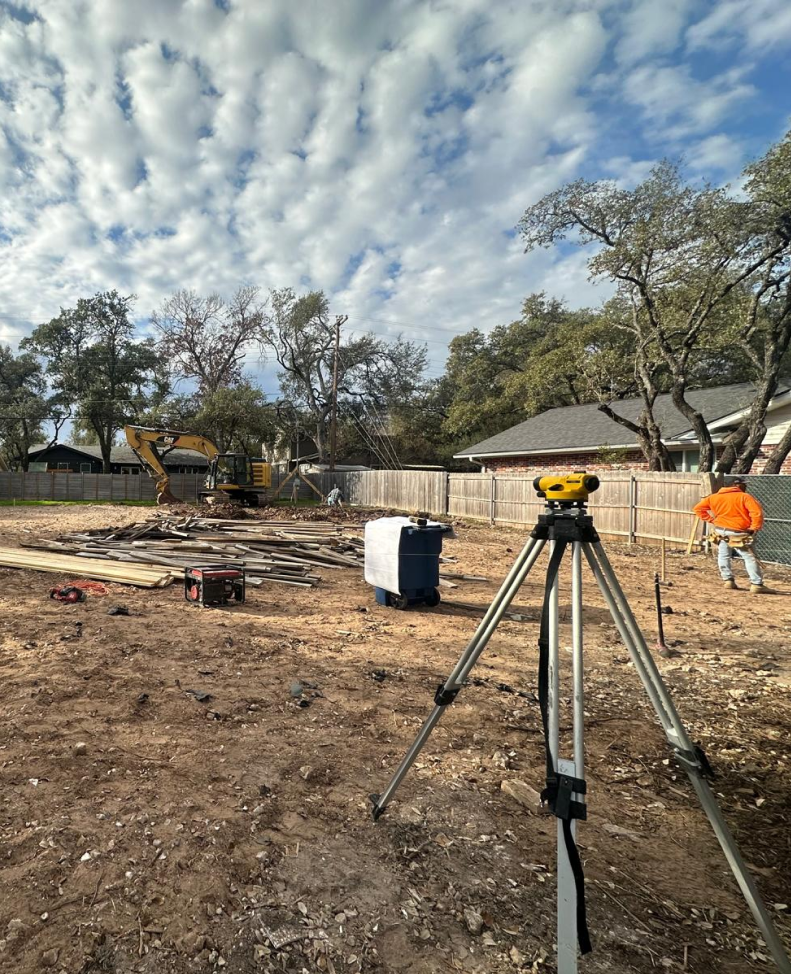
Outdoor kitchens have become one of the most popular backyard additions in Central Texas, and they put real demands on the concrete underneath them. Unlike a patio that mostly carries foot traffic and furniture, an outdoor kitchen has to support masonry counters, a built-in grill, sometimes a pizza oven or a refrigerator, and the daily use that comes with cooking outside. The pad is the foundation for all of it, and once the cabinetry and appliances are set in place, fixing a slab that was poured too thin or without proper drainage is expensive and disruptive.
Slab Thickness and Reinforcement
A standard patio slab is often poured around four inches thick. An outdoor kitchen pad usually needs more. The concentrated weight of stone or block counters and built-in appliances calls for a thicker slab and proper reinforcement, often with rebar or a steel mesh, to spread the load and resist cracking. Where heavy masonry walls or a brick oven are planned, we may thicken the slab under those points or add a footing so the load is carried down to stable ground rather than resting on the slab edge alone.
Drainage and Slope
An outdoor kitchen gets wet. Rain, spills, and cleaning all put water on the surface, and that water has to go somewhere other than toward the house or into a low spot where it pools. The pad should be poured with a slight, deliberate slope away from any structure and toward a yard or drain. In Central Texas, where heavy storms can dump a lot of rain quickly, a pad that drains well stays usable and protects the appliances and cabinetry from standing water.
Layout and Future Connections
The smartest time to plan the layout is before the pour. Gas lines, electrical conduit, and water and drain lines for a sink are far easier to set under or through the slab while it is being formed than to retrofit later. Mapping where the grill, counters, sink, and seating will sit lets us size the pad correctly, place utility sleeves in the right spots, and avoid a slab that is either too small for the finished kitchen or wastefully large.
Built on Texas Soil
Central Texas soils move with the seasons, expanding when wet and shrinking in drought. A pad designed without that movement in mind can crack or tilt enough to throw counters out of level. Proper subgrade preparation, compaction, and control joints give the slab the best chance to stay flat and stable through the wet and dry cycles the region is known for.
Done right, the concrete pad is the part of an outdoor kitchen nobody thinks about again, because it simply works. CIMA Concrete plans these pads around the kitchen you actually want, so the foundation fits the finished layout from day one.
Planning an outdoor kitchen?
CIMA Concrete pours outdoor kitchen pads, patios, and exterior flatwork sized and drained for the weight and the weather of Central Texas backyards.