
ADA-Compliant Concrete Ramps and Accessible Flatwork
An accessible ramp is not just a slope from the ground to a door. Getting the grade, landings, and surface texture right is what makes a ramp safe to use and compliant — and what keeps a property from failing inspection.
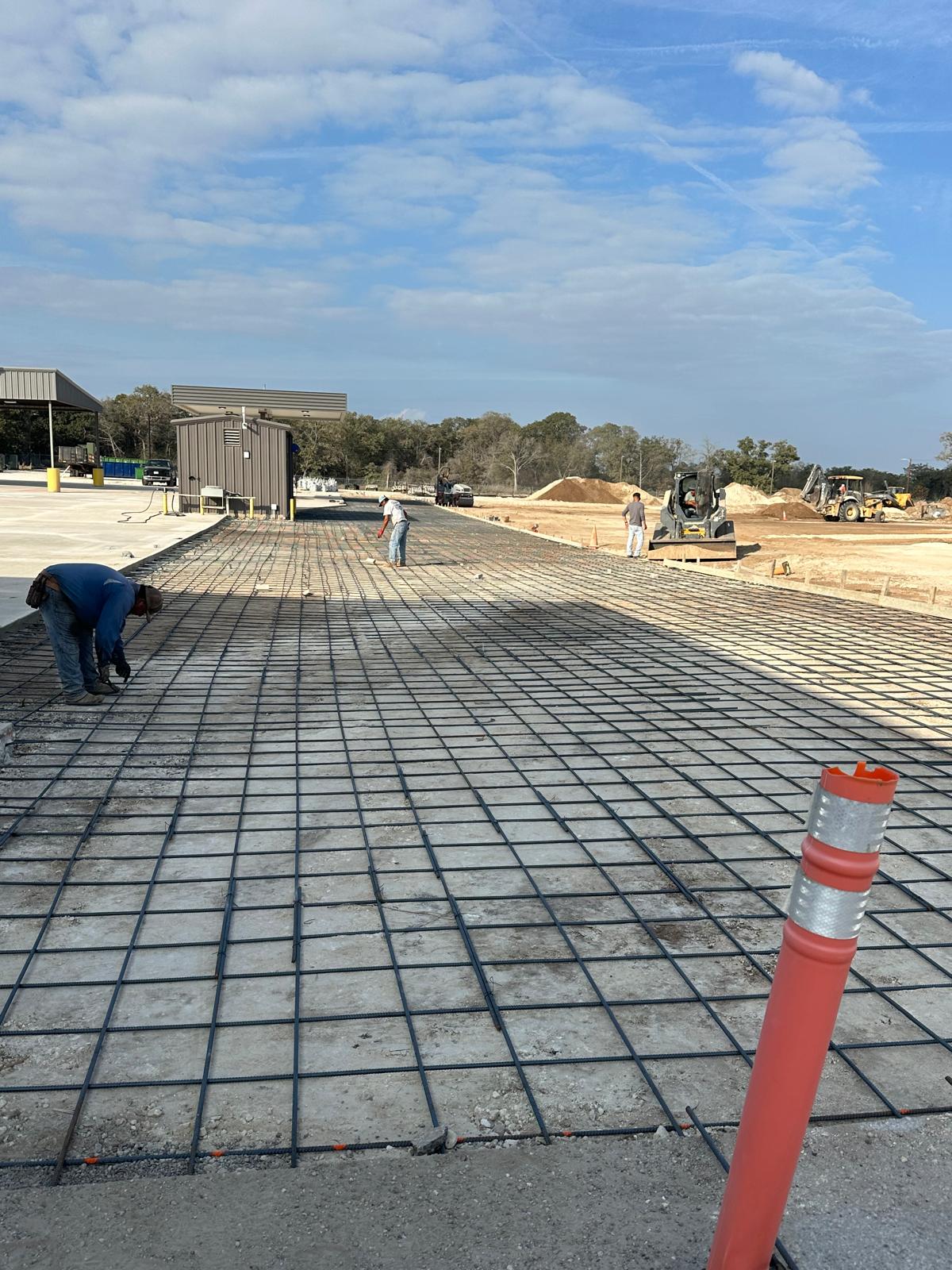
Accessible concrete work is one of the areas where the details are not optional. A ramp that looks fine but is built too steep, lacks a level landing, or has a slick surface is not just out of compliance — it is genuinely difficult and unsafe for the people who depend on it. For businesses and public-facing properties around Central Texas, accessible ramps and flatwork are both a legal requirement and a basic matter of making the property usable for everyone.
Slope Is the First Thing That Matters
The running slope of a ramp is tightly controlled under accessibility standards. A ramp that is too steep is hard to climb in a wheelchair and dangerous on the way down. Cross slope — the side-to-side tilt — is limited as well, because too much of it can tip a wheelchair off line. Hitting these grades requires careful forming and finishing, and it is one of the most common places where a hastily poured ramp goes wrong. Measuring and verifying slope during the pour, not after, is what keeps the finished ramp within the allowed range.
Landings and Transitions
A compliant ramp needs level landings at the top and bottom, and at any point where the ramp changes direction or exceeds a certain rise. These landings give someone using a wheelchair a flat place to rest, maneuver, and open a door without rolling backward. The transitions between the ramp, the landings, and the surrounding walkway have to be smooth and flush, with no lip or abrupt edge that could catch a wheel or a foot. Planning where these landings fall is part of designing the ramp, not an afterthought.
Surface Texture and Traction
The walking surface has to be firm, stable, and slip resistant. A broom finish across the ramp gives the texture that keeps the surface safe when it is wet, which matters during the heavy storms Central Texas sees. Where required, detectable warning surfaces — the truncated dome panels at curb ramps and transitions — alert people with visual impairments to a change in the path. Getting the texture right protects everyone using the ramp in real conditions, not just on a dry inspection day.
Built to Last on Texas Soil
Like all concrete in the region, accessible ramps and flatwork have to be built on a properly prepared subgrade so they do not settle or heave out of compliant slope over time. A ramp that meets the requirements the day it is poured but shifts a year later is a problem waiting to happen. Good site preparation, reinforcement, and control joints keep accessible work compliant for the long term.
Accessible concrete work rewards careful planning and precise execution. CIMA Concrete builds ADA-compliant ramps and accessible flatwork to the slope, landing, and surface requirements, so the result is safe, usable, and ready for inspection.
Need an accessible ramp or walkway?
CIMA Concrete builds ADA-compliant concrete ramps, landings, and accessible flatwork to the required slope and surface standards across Central Texas.