
How Concrete Actually Cures — and Why It Matters
Curing is not the same as drying. Concrete gains strength through a chemical reaction that depends on moisture, time, and temperature — and the first week sets the slab's whole future.
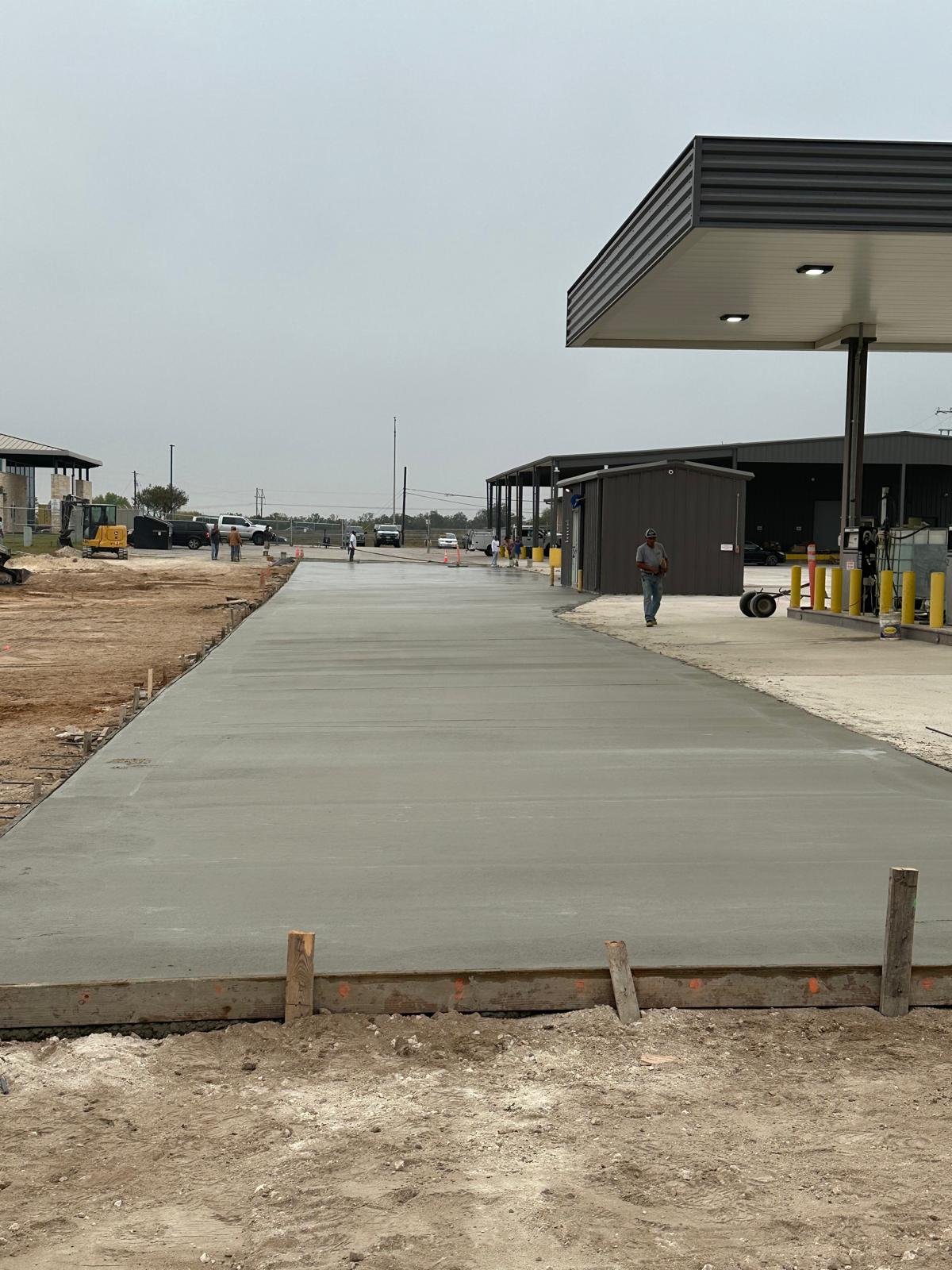
One of the most common misconceptions about concrete is that it hardens by drying. It does not. Concrete gains strength through a chemical reaction called hydration, where water reacts with the cement in the mix to form crystals that bind the aggregate together. That reaction needs water to continue, which means a slab that loses moisture too quickly stops curing properly and never reaches the strength the mix was designed for.
The first 48 hours are the most important. Within hours of placement, the slab begins to set firm enough to walk on, but the chemical reaction is still in its early stages. Foot traffic at the wrong moment, surface evaporation in dry wind, or premature exposure to weight can all compromise the long-term strength of the pour. Most contractors restrict access to a fresh slab for at least 24 hours, often 48.
The first seven days are where most of the strength develops. A properly cured slab reaches roughly 70 percent of its 28-day strength in the first week. That number assumes the surface stays moist throughout. A slab that dries out on day three loses curing progress that cannot be recovered later, no matter how long it sits afterward.
Keeping the surface moist is the practical job during curing. There are several common methods. Wet-cure mats or burlap covered in plastic and re-wet daily work well for residential slabs. Curing compounds — sprayed chemicals that form a moisture-retaining film on the surface — are faster to apply and common on driveway and patio jobs. Plastic sheeting alone holds in some moisture but can cause discoloration if the slab will be exposed or stained. The right method depends on the size, finish, and use case.
Texas heat makes curing harder. A summer pour around Lockhart can lose moisture from the surface within an hour, which is why crews schedule pours for early morning during hot months and apply curing compounds immediately after finishing. Without that step, the surface develops the dusty, weak finish that scuffs and seals poorly later.
By 28 days, the slab has reached its design strength and curing is essentially complete. The concrete will continue to gain a small amount of strength for months afterward, but the major work is done. From that point on, the slab is ready for full vehicle loads, sealing, staining, or whatever the project plan calls for.
For homeowners watching a new slab cure on their property, the temptation is to test it early — park on it, set heavy planters on it, walk across freshly poured sections. Patience during the first week pays back across the entire life of the slab. CIMA Concrete plans the curing process as carefully as the pour itself, because the difference between a 25-year slab and a 10-year slab usually traces back to what happened in the first seven days.
Have questions about a recent pour?
CIMA Concrete handles driveway installation, concrete repair, sidewalks, and exterior flatwork with a focus on durability and clean finish work.