
Concrete Footings for Patio Covers and Pergolas in Central Texas
Proper footing depth, placement, drainage, and post connections help outdoor structures stay stable in shifting Central Texas soils.
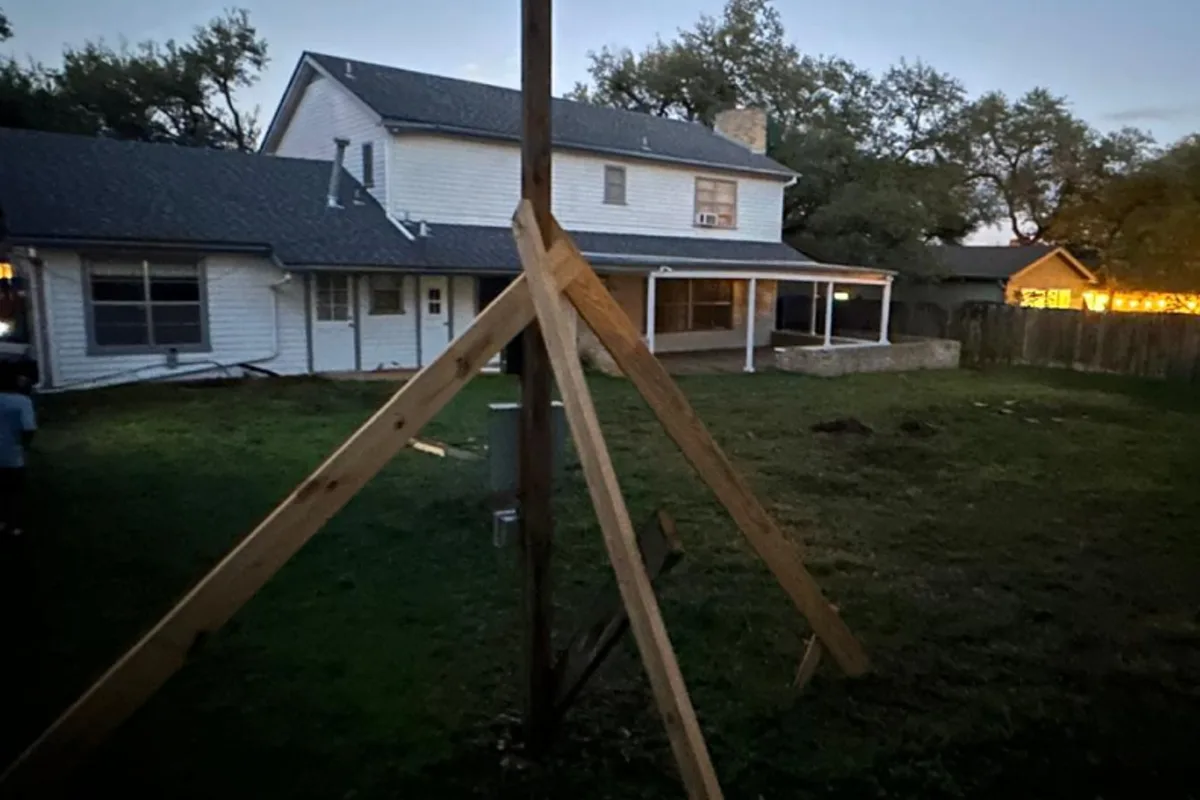
A patio cover or pergola may look light compared with a house, but each post transfers wind, roof weight, and movement into a small area of soil. That makes the concrete footings below the structure essential. In Lockhart and across Central Texas, shallow or undersized footings can tilt, lift, or settle as soils move between wet and dry seasons. A stable outdoor structure starts with a footing plan matched to the design and the ground beneath it.
Footing size is not a one-number decision. The structure's height, roof material, post spacing, wind exposure, and expected loads all matter. A freestanding pergola with an open top behaves differently from a solid patio cover attached to a house. Local permit requirements and the structure manufacturer's specifications may also set minimum dimensions. The safest plan is based on the actual project rather than a generic hole filled with a bag of concrete.
Placement is just as important as size. Footings need to align accurately with the post layout so beams remain square and loads stay centered. Before excavation, crews should verify property conditions and identify utilities or irrigation lines in the work area. The bottom of each footing should reach firm, undisturbed soil or a properly prepared bearing surface. Loose fill left in the hole can compress later and allow one post to settle lower than the others.
Water management deserves attention before concrete is placed. Patio runoff, roof discharge, and low areas can keep the soil around a footing wet. Repeated moisture changes contribute to movement and can weaken poorly prepared areas. Finished grades should direct water away from posts and the adjacent slab. Where a cover ties into existing concrete, the detail should avoid trapping water at the base connection or forcing runoff toward the house.
The connection between wood or steel posts and concrete also affects durability. Posts should be anchored with hardware selected for the structure and kept appropriately separated from standing water or soil. Anchors must be located accurately and embedded or fastened according to the design. Improvised connections can loosen under wind load, while poorly placed hardware can split a post or leave the structure out of alignment.
CIMA Concrete provides site preparation and structural concrete work for outdoor projects in Lockhart and the surrounding Central Texas region. Whether the plan calls for individual footings or an integrated slab-and-footing system, careful layout, proper excavation, reinforcement, and clean placement create a stronger foundation for the structure above. Reviewing the footing requirements before framing begins helps prevent expensive corrections after the patio cover or pergola is already built.
Building an outdoor structure?
CIMA Concrete can evaluate the site and prepare concrete footings or flatwork that fit the structure, drainage, and expected use.