
Maximizing Durability: The Role of Concrete Mix Design in Central Texas
The right concrete mix is crucial for longevity, especially in Central Texas. Learn how CIMA Concrete optimizes mix design for strength, workability, and resistance to local conditions.
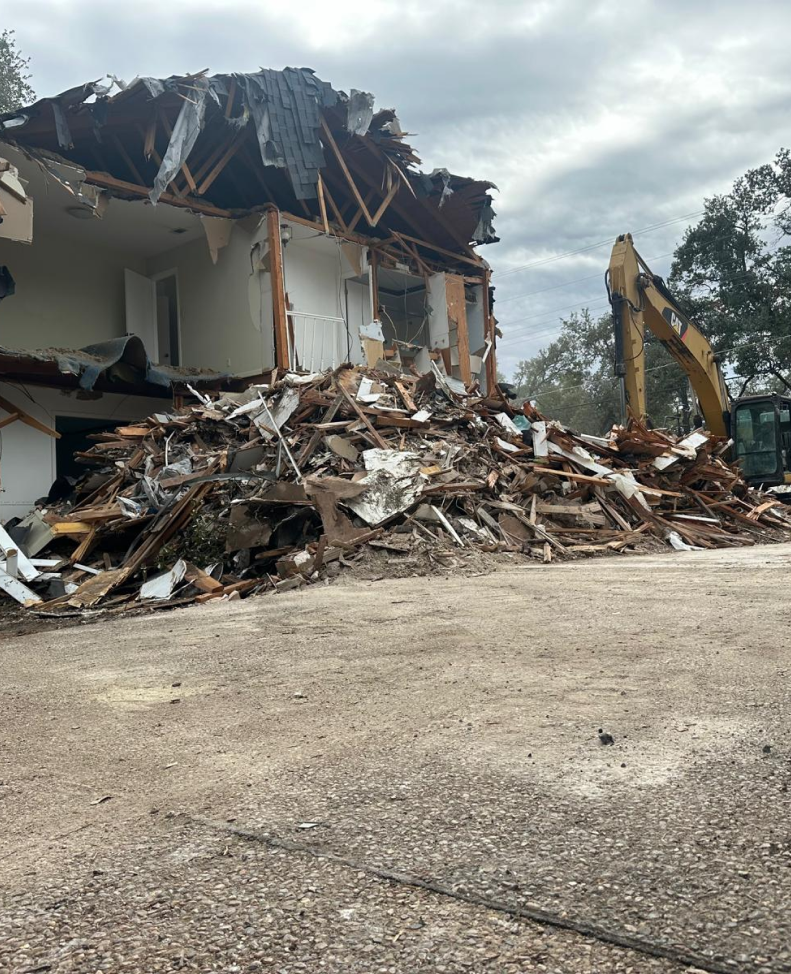
A concrete slab might look simple – just cement, water, sand, and gravel – but the precise proportions and quality of these components determine its ultimate strength and longevity. In Central Texas, where extreme heat, expansive clay soils, and occasional heavy rains put concrete to the test, an optimized mix design is not just a preference, it's a necessity. CIMA Concrete understands that maximizing durability begins long before the pour, specifically with the blueprint of the concrete itself: its mix design.
The Basic Ingredients of Concrete and Their Roles
To truly appreciate the importance of mix design, it helps to understand the function of each basic ingredient:
- Cement: This is the binder, a fine powder that, when mixed with water, undergoes a chemical reaction (hydration) to form a paste that glues the aggregates together. The quality and type of cement significantly impact the concrete's strength and setting time.
- Aggregates (Sand and Gravel): These are the inert fillers that provide volume, stability, and much of the concrete's strength. Well-graded aggregates (a good distribution of particle sizes) minimize voids, reduce the amount of cement paste needed, and contribute to a denser, more durable slab. Cleanliness is also crucial, as impurities can weaken the mix.
- Water: Water activates the cement and makes the concrete workable. However, there's a delicate balance. Too much water weakens the concrete, making it more porous and prone to cracking. Too little water makes it difficult to place and finish properly.
- Admixtures: These are chemical additives used to modify the properties of fresh or hardened concrete. They can improve workability, accelerate or retard setting, reduce water content, or enhance durability.
The Critical Importance of Water-Cement Ratio
Of all the factors in mix design, the water-cement ratio (W/C) is arguably the most critical. It's simply the ratio of the weight of water to the weight of cement in the mix. A lower W/C ratio generally produces stronger, more durable, and less permeable concrete. However, reducing water also makes the mix stiffer and harder to work with, especially in the rapidly drying conditions of a Central Texas summer.
Achieving the optimal balance – a low enough W/C ratio for strength while maintaining sufficient workability for proper placement and finishing – is a hallmark of skilled concrete work. Too high a W/C ratio leads to excess water that evaporates, leaving behind microscopic pores that reduce strength and create pathways for moisture penetration, accelerating deterioration.
Optimizing Aggregates for Local Conditions
The choice and quality of aggregates are particularly important for performance in Central Texas. Using locally sourced, clean, and appropriately graded aggregates helps ensure material compatibility and cost-effectiveness. The aggregate's size and shape affect how it packs together, influencing the mix's density, strength, and workability. For instance, using well-graded aggregates reduces the amount of cement paste needed to fill voids, which in turn reduces drying shrinkage and the potential for cracking.
The Power of Admixtures in Central Texas
Admixtures are invaluable tools for tailoring concrete mixes to specific environmental challenges, like those found in Lockhart and Central Texas:
- Water-Reducing Admixtures (Plasticizers): These allow a lower water-cement ratio to be used while maintaining the desired workability. The result is higher strength, improved durability, and reduced permeability without making the concrete impossible to place.
- Retarding Admixtures: In the intense Central Texas heat, concrete can set too quickly, making finishing difficult. Retarders slow down the chemical reaction of hydration, extending the working time, which is crucial for achieving a proper finish on larger slabs or during hot weather pours.
- Air-Entraining Admixtures: While severe freeze-thaw cycles are less common here than in northern climates, air entrainment improves concrete's resistance to surface scaling caused by de-icing salts (if used) and even general wear. It creates microscopic air bubbles that also improve workability.
- Supplementary Cementitious Materials (SCMs): Materials like fly ash (a byproduct of coal combustion) and ground granulated blast-furnace slag (a byproduct of steel manufacturing) can replace a portion of the Portland cement. SCMs improve workability, reduce heat of hydration (beneficial in hot weather), increase long-term strength, enhance resistance to sulfate attack (found in some soils), and decrease permeability, making the concrete denser and more durable. They also contribute to more sustainable concrete production.
How Mix Design Impacts Common Concrete Problems
A poorly designed mix can lead to a host of problems, many of which are exacerbated by Central Texas's climate:
- Cracking: High water-cement ratios lead to greater drying shrinkage, which translates to more cracks. An optimized mix reduces shrinkage and better resists thermal stresses.
- Low Strength: Inadequate cement content or a high water-cement ratio directly compromises the concrete's compressive strength, making it vulnerable to heavy loads and impacts.
- Spalling and Scaling: Poor mix design or lack of proper air entrainment can lead to the concrete's surface flaking or peeling, especially under stress from moisture and temperature fluctuations.
- Permeability: Concrete with a high water-cement ratio is more porous, allowing water and chemicals to penetrate, which can lead to rebar corrosion, efflorescence, and freeze-thaw damage. A dense, well-designed mix significantly reduces this.
For driveways, patios, sidewalks, and any flatwork in Lockhart and the greater Central Texas region, the mix design is the silent hero behind a slab's performance. It’s not about just mixing ingredients; it’s about a skilled, informed approach to create concrete that stands strong against local environmental challenges for decades. CIMA Concrete's commitment to proper mix design ensures your investment delivers lasting value and performance.
Planning a new concrete project?
Ensure your investment lasts for decades with a superior concrete mix design engineered for Central Texas conditions.
Get a Free Estimate