Control Joints in Concrete Patios: Why Timing and Spacing Matter
Concrete shrinks as it cures. Planned control joints help that movement form at organized lines instead of random cracks across a Central Texas patio.
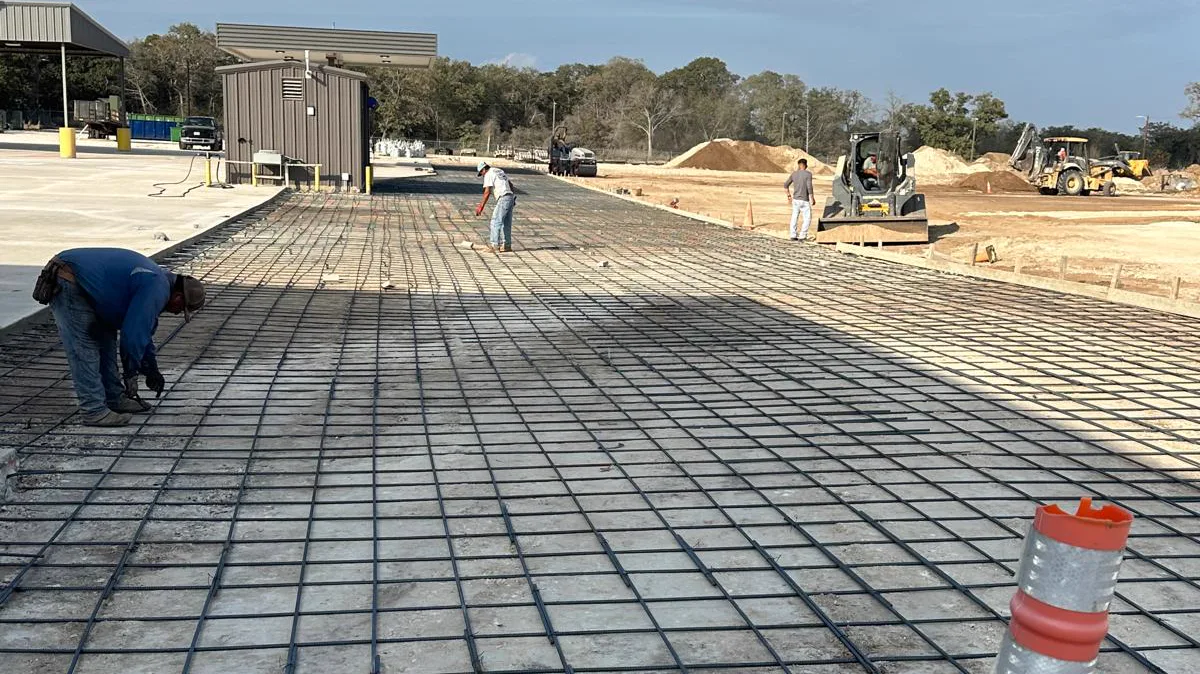
Control joints do not make concrete crack-proof; they create intentional weakened planes where normal drying shrinkage can occur more predictably. For Control Joints in Concrete Patios: Why Timing and Spacing Matter, the useful first step is to identify the condition driving the work, protect the surrounding property, and choose a solution that can be maintained. A cosmetic answer may hide a recurring cause, while documented findings make the scope and estimate easier to compare.
Start with this priority: plan panel proportions, corners, columns, steps, drains, and other restraint points before the concrete is placed. For Control Joints in Concrete Patios: Why Timing and Spacing Matter, that review creates a baseline before products are ordered or work begins. Measurements, photographs, and a written scope clarify what remains, what changes, and which findings could affect cost or timing. Access and safety should be planned before tools, equipment, or deliveries enter the work area.
The next part of the plan is to cut or tool joints at the correct depth and early enough that shrinkage has not already created a random crack. The method selected for Control Joints in Concrete Patios: Why Timing and Spacing Matter should fit the existing material, exposure, and intended use rather than a generic recommendation. Local weather and property conditions can influence moisture, movement, wear, and scheduling, so the crew should verify conditions on site instead of relying only on the season or a broad rule.
A durable result also requires the team to coordinate reinforcement, slab thickness, base support, drainage, and isolation around fixed structures with the joint layout. Shortcuts during Control Joints in Concrete Patios: Why Timing and Spacing Matter can turn a lower initial price into repeat work. The proposal should identify preparation, protection, cleanup, and any follow-up the owner will need to handle. Clear sequencing also prevents finished work from being damaged by later steps and gives materials enough time to perform as intended.
Owners should also plan to keep joints clean and maintain compatible sealant where the design calls for it without filling movement paths rigidly. After Control Joints in Concrete Patios: Why Timing and Spacing Matter is complete, routine observation can reveal small changes before they spread. Keep product information, photos, and care guidance with the property records. If a condition returns quickly, document when it appears and request a review rather than layering another temporary repair over the same cause.
CIMA Concrete provides practical evaluations and service for local homeowners and properties. If this issue is affecting your project, request an on-site estimate and ask for the recommended scope, sequence, and maintenance needs in writing. A well-defined plan makes it easier to compare options and invest in the solution that addresses the source instead of only the most visible symptom.