
Concrete Patio vs Pavers: Which Is Right for Your Central Texas Yard
Poured concrete and pavers both make great patios, but they age, cost, and hold up differently in the Central Texas climate. Here is an honest comparison to help you choose.
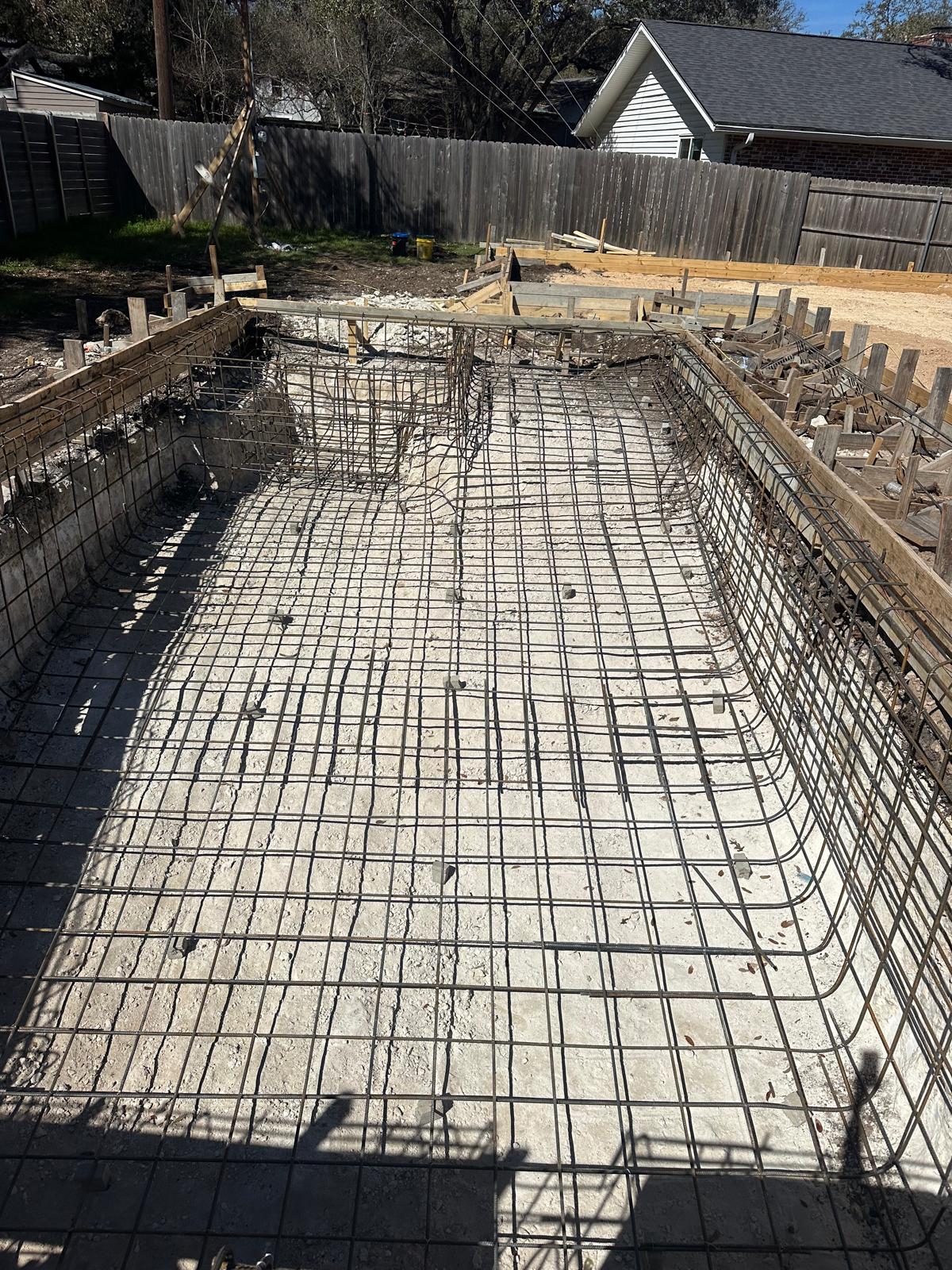
When homeowners around Lockhart and the surrounding Central Texas area plan a backyard patio, the first real decision usually comes down to two options: a poured concrete slab or a paver installation. Both can look great, both add usable outdoor living space, and both can last for decades when done well. But they are genuinely different products under the surface, and they age, cost, and behave differently in our climate of expansive clay soils and long, hot summers. Choosing well means understanding those differences up front rather than discovering them years later, so here is a straight comparison from a contractor who installs both kinds of work.
The most obvious difference is the surface itself. A poured concrete patio is one continuous slab, which gives it a clean, seamless, modern look and a smooth surface that is easy to sweep, furnish, and keep clear. Pavers are individual units set in a pattern, which gives a more textured, detailed, traditional appearance and lets you work in color and pattern variations that a plain slab cannot match. Stamped and colored concrete narrows that gap by mimicking stone or brick patterns on a poured slab, so the aesthetic choice is not as clear-cut as it once was. It really comes down to whether you prefer a clean continuous surface or the look and feel of individual units.
Cost is where many homeowners make the call, and in general a poured concrete patio comes in more affordable up front than an equivalent paver installation. Pavers involve more material and considerably more labor, since each unit is set individually over a prepared base, so the higher price reflects real additional work. A plain broom-finished concrete slab is typically the most budget-friendly durable option, with stamped or decorative concrete sitting in the middle, and a full paver patio at the higher end. For a large patio on a budget, poured concrete usually stretches the dollar further.
How each handles our Central Texas soils is a crucial and often overlooked point. The expansive clay common in this region swells when wet and shrinks when dry, and that movement stresses anything built on top of it. A concrete slab resists that movement as a rigid unit, but if the ground shifts enough it can crack, and a crack in a slab is visible and permanent unless repaired. Pavers, being individual pieces over a flexible base, can move with minor ground shifts without cracking, and if one section settles, individual pavers can be lifted and reset. That flexibility is a genuine advantage of pavers over unstable soil, though it depends heavily on the base being prepared correctly in the first place.
Repairs and long-term maintenance follow from that. When a concrete slab cracks or a section is damaged, the fix is a repair or a partial replacement that may not perfectly match the original, though proper installation, control joints, and a good base make cracking far less likely. Pavers are easier to spot-repair, since a damaged or stained unit can be swapped out individually, but they ask for a bit more ongoing attention: keeping joint sand topped up, managing the occasional weed or ant hill in the joints, and periodic re-leveling if the base settles. A concrete patio is generally lower-maintenance day to day, while pavers trade a little upkeep for easier individual repairs.
Installation time and site preparation matter too, and here both share a critical truth: the base is everything. A concrete patio goes in relatively quickly as a pour once the site is prepped, then needs curing time before use. Pavers take longer to install because each piece is placed by hand. But whichever you choose, the durability comes from proper site preparation, correct base compaction, adequate thickness or bedding, and good drainage. A beautiful patio of either type installed over a poorly prepared base will disappoint, which is why the contractor and the prep work matter more than the material in the end.
So which is right for your yard? A poured concrete patio is the strong choice for a clean modern look, a larger space on a tighter budget, and lower everyday maintenance, especially with stamped or decorative options bringing more style than a plain slab. Pavers make sense when you want the detailed look of individual units, the flexibility to move with the soil, and easy piece-by-piece repairs, and you are comfortable with a higher price and a little more upkeep. Both are excellent when installed correctly on a well-prepared base. CIMA Concrete works with homeowners across Central Texas to weigh these trade-offs against their yard, their soil, and their budget so the patio they end up with is the right one for the long haul.
Planning a new patio?
CIMA Concrete handles driveway installation, concrete repair, sidewalks, patios, and exterior flatwork with a focus on durability and clean finish work.