Planning Concrete Pool Deck Drainage for Central Texas Properties
A pool deck should move splash water and rainfall away from the pool, buildings, and low areas without creating uncomfortable slopes underfoot.
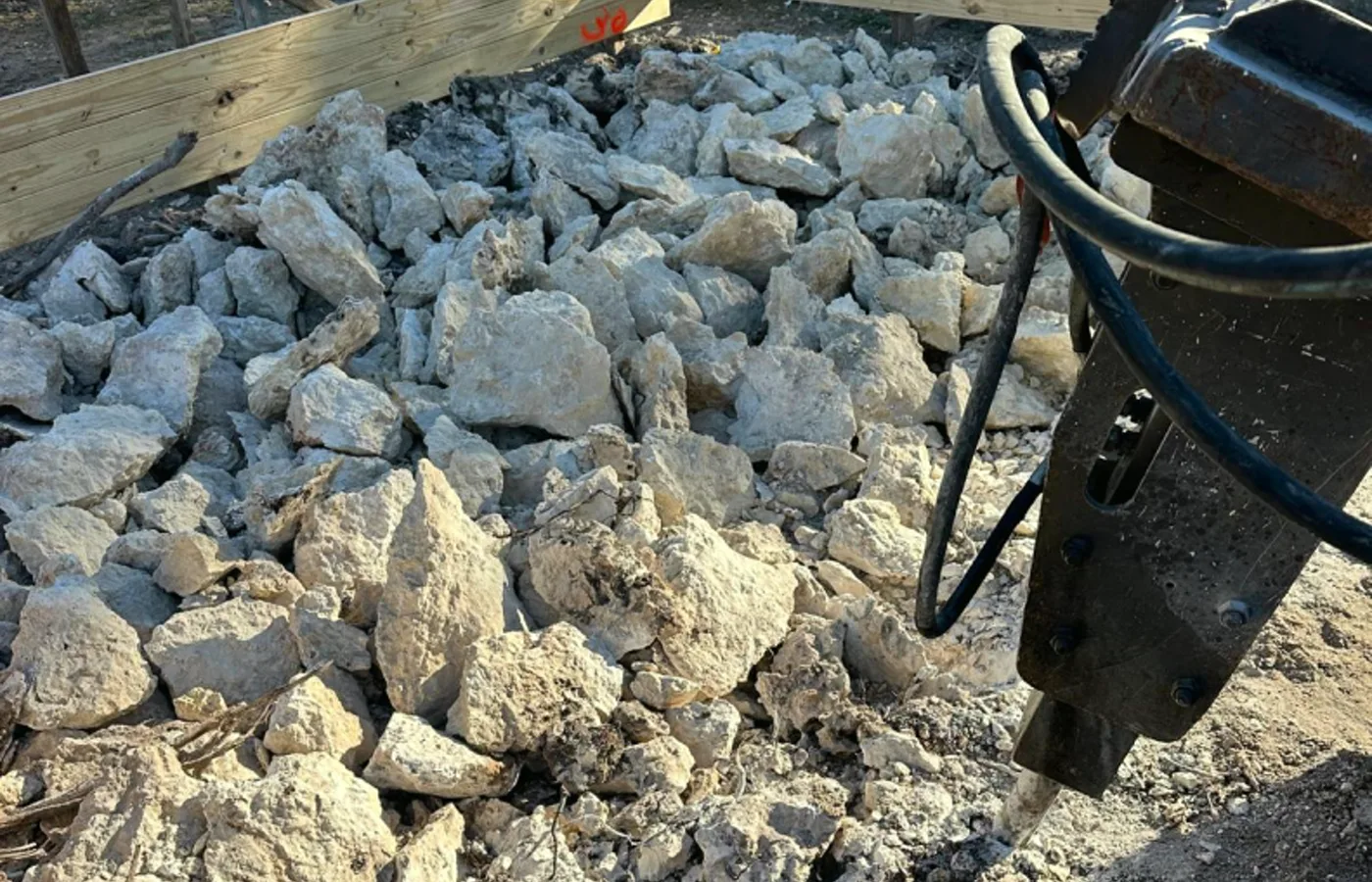
Drainage is one of the most important details in a concrete pool deck, even though it is less visible than the color or finish. Central Texas properties can receive intense rain in a short period, and normal pool use adds water every day. If the deck is nearly flat or slopes toward the house, water can collect at doors, soften nearby soil, stain the concrete, and create slippery areas. A successful layout begins with elevations, not with choosing a decorative surface.
The deck generally needs a consistent slope away from the pool and adjacent structures, but the direction must match the actual property. Sending water toward a foundation, neighboring lot, retaining wall, or enclosed planting bed only moves the problem. Before concrete is placed, the contractor should identify high and low points, downspout discharge, existing swales, and the final destination for runoff. The plan should also account for coping height and any thresholds that must remain dry.
Deck drains are useful where one continuous slope cannot move water safely. Linear channel drains can intercept runoff along a house, wall, or transition, while smaller area drains collect water at planned low points. These drains need a reliable outlet and enough fall in the underground piping to remain functional. A drain that ends in compacted clay or a low section of yard may back up during a storm, so the discharge route deserves the same attention as the visible grate.
Base preparation and joints also affect drainage over time. Expansive Central Texas soil can move beneath the slab when moisture changes, creating settled areas that hold water. Removing weak material, compacting the base evenly, and controlling water around the deck reduce that risk. Control joints should divide the slab into practical panels and coordinate with corners, drains, coping, and other fixed elements. Isolation material may be needed where the deck meets the pool structure or another building component.
Surface texture must balance traction and maintenance. A heavily textured finish may improve grip but can trap dirt and make standing water slower to evaporate. A finish that is too smooth can become slick when wet. The right choice depends on the pool environment, expected traffic, and the owner’s maintenance routine. Mockups or finish samples make it easier to compare appearance and feel before the full deck is poured.
CIMA Concrete plans concrete pool decks around the property’s real elevations, drainage path, soil, and intended use. If you are replacing a settled deck or building a new outdoor area in Central Texas, request an on-site evaluation before selecting the finish. A clear drainage plan helps protect the pool, nearby structures, and the concrete investment for years to come.
Planning a concrete pool deck?
CIMA Concrete can evaluate slope, drainage, base conditions, joints, and finish options for your Central Texas property.
Request an Estimate